
About Kin Tracer
Kin Tracer helps uncover the people, places and stories behind your family history.
Some projects begin with a clear question: Who were this person’s parents? Where did this branch of the family come from? What happened to someone who disappears from the records? Others begin with something much smaller — a photograph, a certificate, a medal, a family story, or a name that has been passed down but never properly understood.
My role is to follow those clues carefully, compare the evidence and build a clear picture of what can be established. The aim is not simply to produce a list of names and dates, but to create research that feels meaningful, readable and worth keeping.
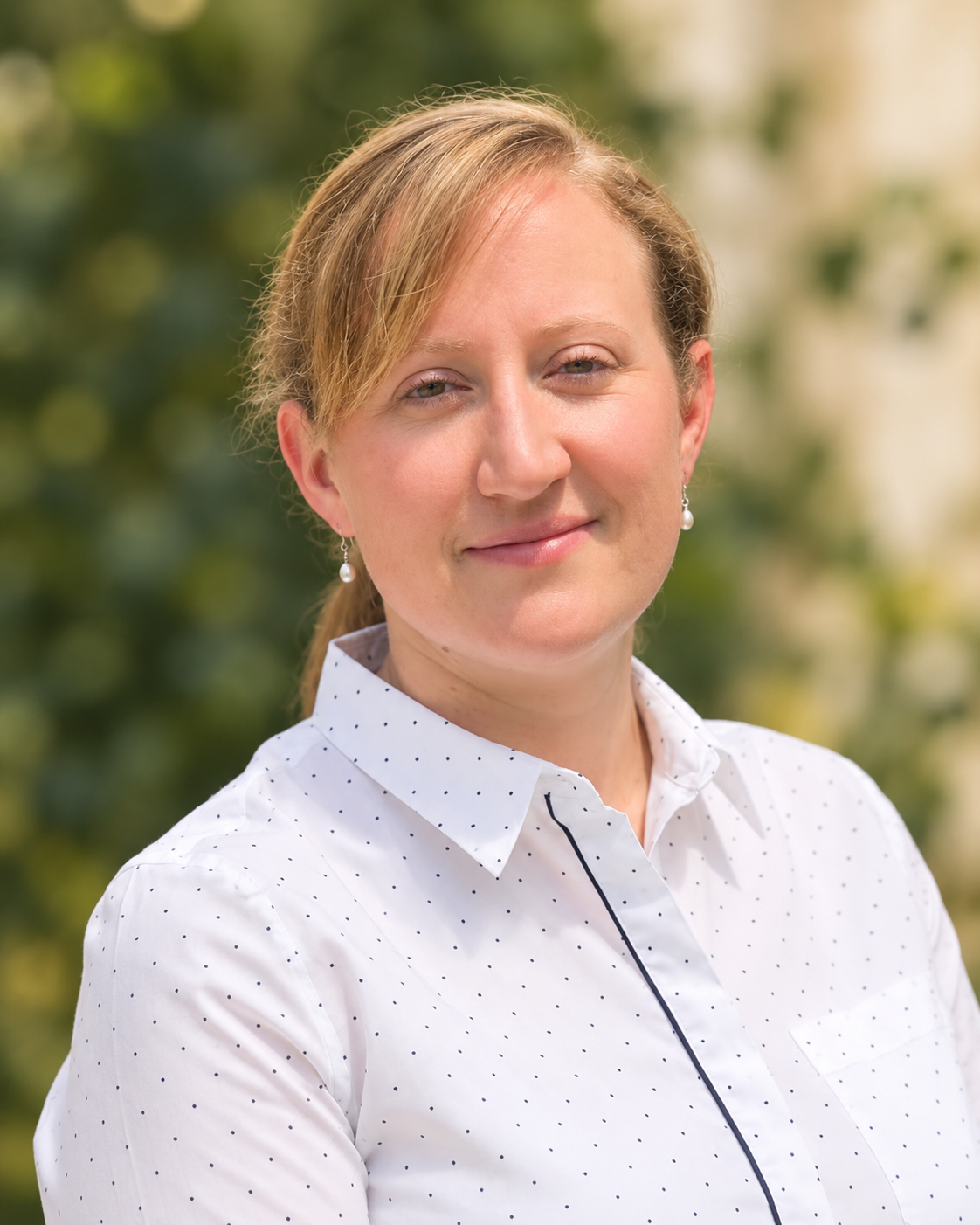
Katie Truelove
I’m Katie, the researcher behind Kin Tracer.
I’m British, originally from Sheffield, and now based in Muscat, Oman, working with clients in the UK and internationally. I have always been drawn to the stories hidden inside records — the small details that can turn a name on a certificate into a real person with a family, an occupation, an address, a journey and a life.
What I enjoy most is the detective work: following a trail through different sources, testing assumptions, resolving contradictions where possible, and sometimes finding the unexpected detail that suddenly makes everything else fall into place.
How I work
Family-history research is not always straightforward. Records can be incomplete, spellings change, ages vary, people move, and family memories can become blurred over time.
I approach each project carefully and evidence-first. I compare sources rather than relying on a single record, make a clear distinction between what is proven and what is only possible, and explain uncertainty rather than hiding it.
Before taking on a project, I also take an initial look at the information available to check that the research appears viable. If I think the evidence is too limited, the question is unlikely to be answerable, or another approach would make more sense, I will tell you before you commit.
More than names on a tree
The part of family history I find most rewarding is bringing people back into focus.
A census can reveal a household. A newspaper report can uncover an event. An address can lead to a neighbourhood, an occupation can explain how a family lived, and a military record or workhouse entry can completely change our understanding of someone’s story.
When those pieces are brought together, family history becomes much more than genealogy. It becomes a record of lives that might otherwise be forgotten.
Ready to start your research?
Tell me what you already know and what you hope to discover. I’d love to hear from you.